Soft Wash Roof Cleaning: How It Works
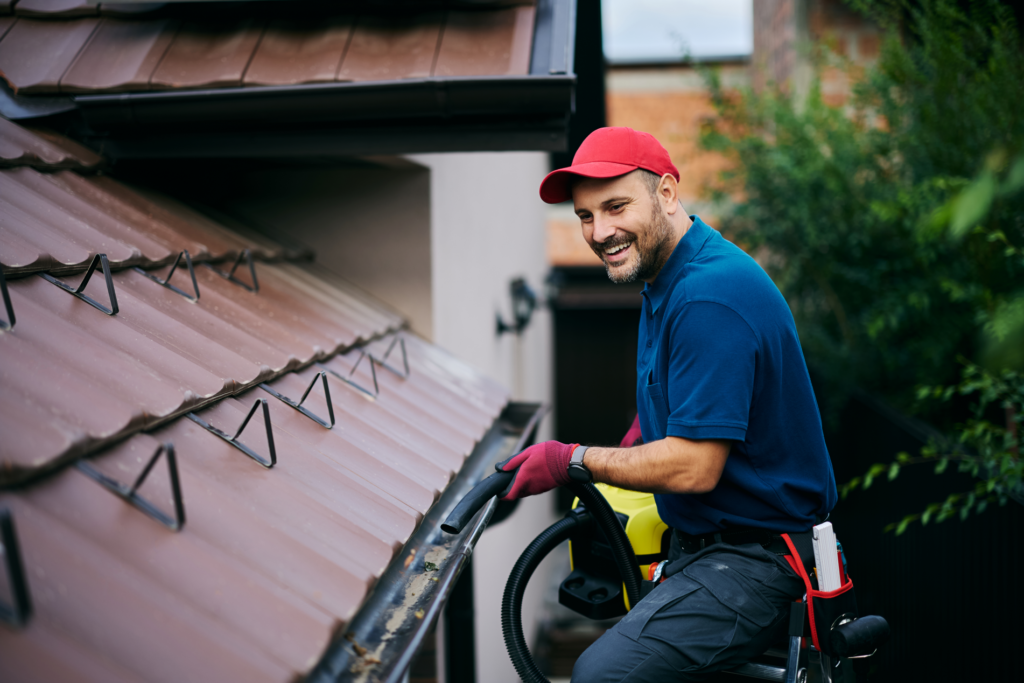
Soft wash roof cleaning is the method recommended for most homes in South Florida, and it works very differently from pressure washing. Instead of blasting the roof with high-pressure water, soft washing uses garden-hose pressure to apply a cleaning solution that kills algae, mold and mildew at the root, then rinses the residue away. The result is a roof that comes clean without cracked tiles, stripped shingle granules or water forced under the roof surface. Here is how the process works, step by step, and when it is the right choice for your home.
Soft Wash Roof Cleaning | Shore Roof Cleaning
What Makes Soft Washing Different
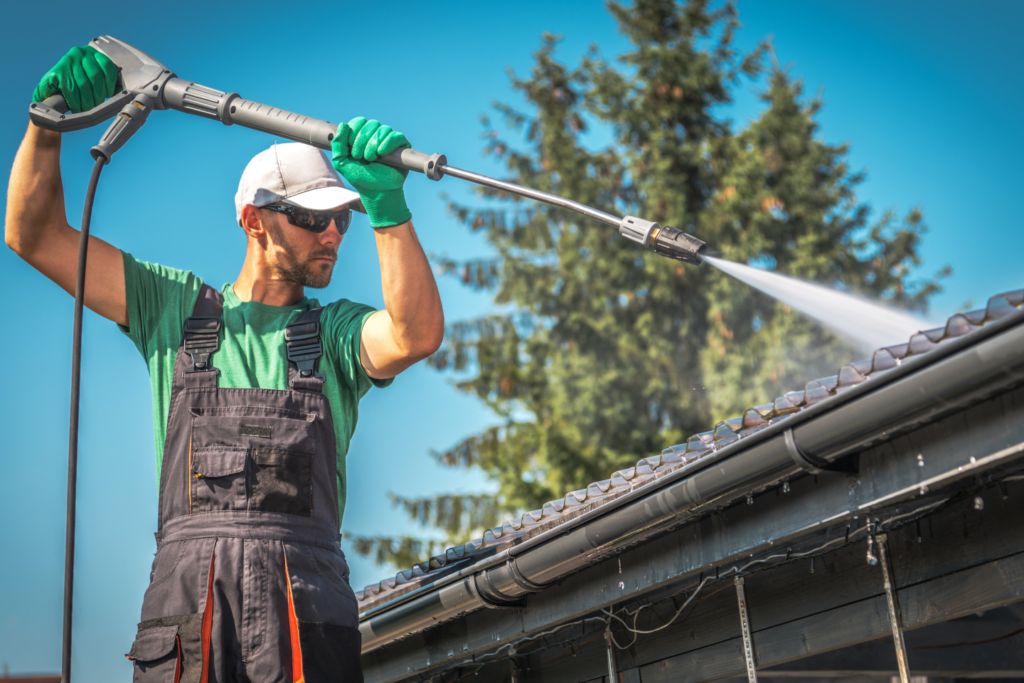
A pressure washer relies on force: a narrow jet of water at 2,500 PSI or more that cuts dirt off a surface. That force is fine for concrete, but on a roof it can crack barrel tiles, lift shingles, strip the granules that protect asphalt shingles from the sun and drive water underneath the roof covering. Roof manufacturers and shingle associations consistently warn against high-pressure washing for exactly these reasons.
Soft washing flips the approach. The pressure stays low, roughly what comes out of a garden hose, and the cleaning solution does the work. The solution is formulated to kill the algae, bacteria, mold and lichen that stain roofs, so the growth releases from the surface and rinses away without force. It is the same basic approach used on our roof cleaning service pages across Palm Beach and Broward counties.
Step by Step: How a Soft Wash Cleaning Works
First, the crew prepares the property: landscaping and outdoor items near the drip line are covered or pre-wet, gutters are checked, and loose debris is cleared from valleys and roof edges. Protecting plants matters, because the solution that kills algae is not something you want sitting on your hedges.
Next, the cleaning solution is applied evenly across the roof at low pressure, section by section. It dwells on the surface long enough to kill the growth at its root, which is the part pressure washing alone leaves behind. As it works, black streaks lighten and algae patches break down. Stubborn areas get a second application rather than more pressure.
Finally, the roof is gently rinsed and the property is rinsed down as well, including plants, walkways and the pool deck area. The crew checks the roof from the ground for any spots that need a touch-up before packing up.
What Soft Washing Removes
Soft washing is built for organic staining: the black streaks caused by Gloeocapsa magma algae, green algae films, mold and mildew, and the moss and lichen that take hold in shaded areas. Because the solution kills the organisms rather than just rinsing off the visible layer, the clean lasts longer than a pressure-only rinse, which often leaves roots and spores behind to regrow within months.
It also lifts the general gray film of dirt and pollen that dulls tile color. For the full story on the organisms themselves, read our guide to roof algae and black streaks.
Soft Wash vs. Pressure Washing: Which Surfaces Get Which
The two methods are partners, not rivals. Roofs, screens and painted surfaces get soft washing. Hard, durable surfaces such as driveways, sidewalks, pool decks and pavers can take pressure washing, which is the fastest way to cut through years of ground-in dirt and tire marks. Pavers are then often finished with paver sealing to lock in the clean.
A good rule of thumb: if water force could damage it, soft wash it. If it is flat concrete or paver work built to take a beating, pressure washing is appropriate. A reputable crew will tell you which method each surface on your property needs before any work starts.
How Long the Results Last
Because soft washing kills growth at the root and leaves the surface treated, results in South Florida typically last two to three years, compared with a single season for a pressure-only roof rinse. Longevity still depends on shade, tree cover and how much moisture your roof holds after rain.
Between cleanings, you can slow regrowth by keeping branches trimmed back from the roof, making sure sprinklers are not spraying the roof edge, and clearing debris from valleys after storms. When streaks start to reappear, that is the cue to book the next cleaning before the colonies spread.
Frequently Asked Questions
Is soft washing safe for tile and shingle roofs?
Yes. Soft washing was developed specifically to clean roofs without the damage high pressure causes. It is suitable for barrel and flat tile, asphalt shingle and metal roofs, and it is the method roof manufacturers recommend.
Will the cleaning solution harm my plants?
Crews protect landscaping by covering or pre-wetting plants and rinsing them again afterward. Tell your crew about any especially sensitive plantings near the drip line so they can take extra care.
Do I need to be home during the cleaning?
Not necessarily. As long as the crew has access to the roof, an outside water spigot and any gates are unlocked, the work can be done while you are out. You will get a walkthrough of the results when it is finished.
How is soft washing different from just spraying bleach on the roof?
Professional soft washing uses measured, roof-safe solutions applied evenly at controlled low pressure, with the property protected and rinsed. A DIY spray rarely reaches even coverage, often misses the root of the growth, and risks damaging plants and the roof itself.
Request a Free Estimate
Want the clean without the risk of pressure damage? Shore Roof Cleaning soft washes roofs across Boca Raton and South Florida. Call Shore Roof Cleaning at (561) 331-9600 or request your free estimate online.